


Introduction
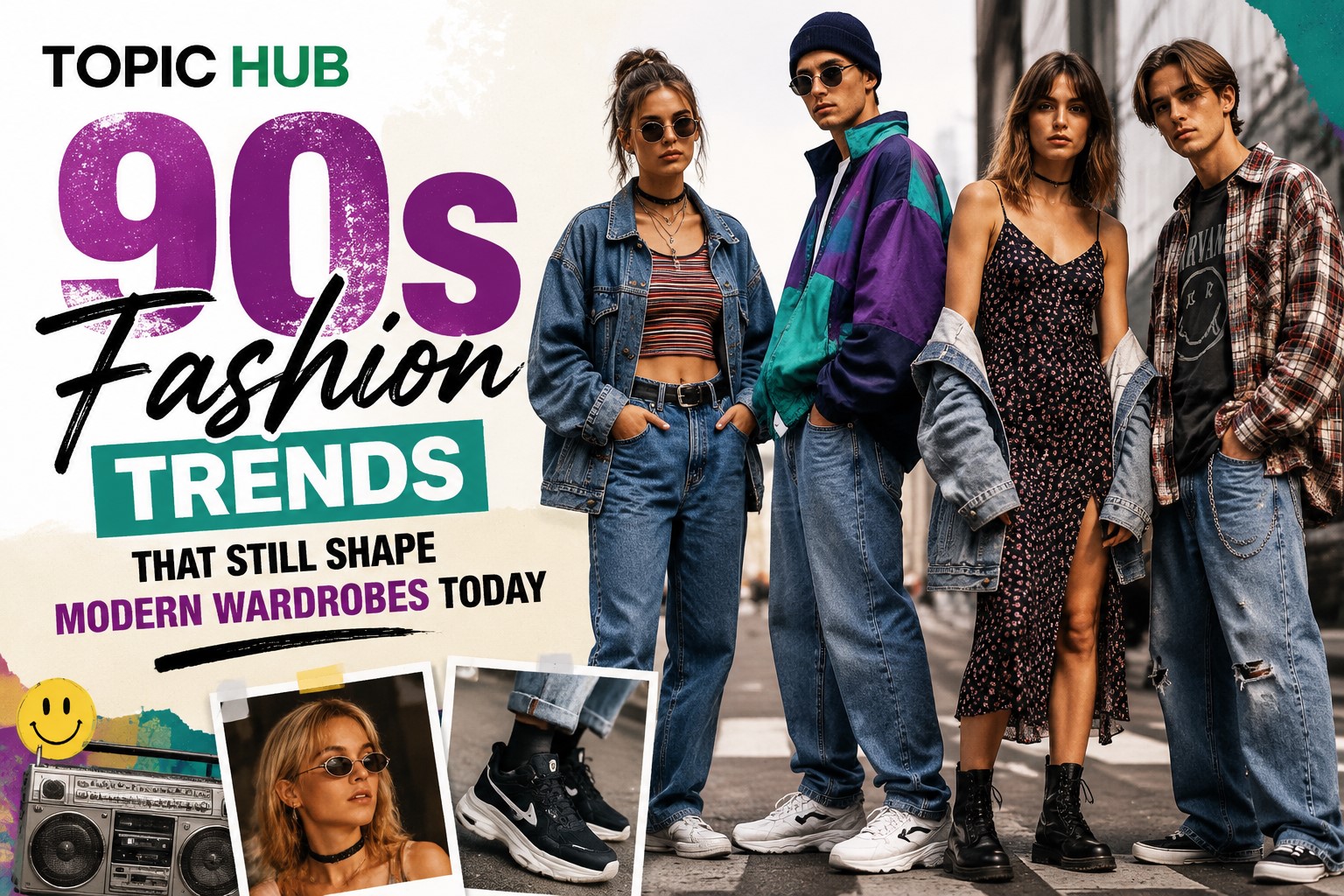
90s fashion was more than a passing style moment. It was a bold cultural movement that mixed attitude, comfort, rebellion and personality in a way that still influences wardrobes today. From oversized denim and slip dresses to chunky trainers and flannel shirts, the decade created looks that felt effortless but powerful.
What made 90s fashion special was its freedom. People dressed to express mood, music taste, lifestyle and identity. Some followed the polished minimalism seen on supermodels, while others embraced the rougher edge of grunge, hip-hop or streetwear. The result was a decade full of contrasts: simple yet loud, casual yet iconic, rebellious yet timeless.
Today, many of these trends have returned with modern styling. Young people wear baggy jeans, crop tops, bomber jackets and platform shoes not only for nostalgia but because these pieces still feel fresh. This article explores the key styles, influences and lasting appeal of 90s fashion in a clear and informative way.
What Made 90s Fashion So Iconic?
90s fashion became iconic because it was deeply connected to culture. Music, television, cinema and celebrity style all shaped what people wore. Unlike some earlier decades, the 1990s did not follow one fixed fashion rule. Instead, it allowed different subcultures to exist side by side.
A Decade of Personal Expression
The 1990s gave people permission to dress with confidence and comfort. Casual clothing became acceptable in more places, and the idea of “trying too hard” started to fade. A simple white T-shirt, relaxed jeans and trainers could look just as stylish as a designer outfit.
Comfort Became Cool
One of the strongest features of 90s fashion was comfort. Oversized silhouettes, loose shirts, soft knitwear and relaxed trousers became popular. Clothes were no longer only about looking polished. They were also about feeling natural and easy.
Everyday Style With Attitude
Even basic outfits had attitude in the 1990s. A flannel shirt tied around the waist, a leather jacket over a plain top, or a pair of chunky trainers could completely change the mood of a look.
Major 90s Fashion Trends
The decade produced many memorable trends. Some were casual and street-inspired, while others were sleek and elegant. Together, they created the rich visual identity people now associate with 90s fashion.
Denim Everywhere
Denim was one of the most important parts of 90s fashion. Jeans, jackets, skirts and dungarees were worn by almost everyone. The most popular jeans were often straight-leg, wide-leg or baggy rather than tight.
Denim jackets were also a wardrobe essential. Many people wore them oversized, sometimes with patches, embroidery or faded washes. Double denim became a recognisable look, especially when styled with confidence.
Baggy Jeans and Relaxed Fits
Baggy jeans were strongly linked with streetwear and hip-hop culture. They gave outfits a cool, effortless feel and worked well with oversized T-shirts, hoodies and trainers.
Grunge Style
Grunge was one of the most influential fashion movements of the 1990s. Inspired by alternative rock music, it rejected polished perfection and embraced a more careless, rebellious look.
Flannel shirts, ripped jeans, heavy boots and layered outfits became key parts of grunge fashion. The style looked unplanned, but that was exactly its appeal. It felt honest, raw and anti-glamour.
The Power of the Flannel Shirt
The flannel shirt became a symbol of 90s grunge. It could be worn open over a band T-shirt, buttoned up, or tied around the waist. Its simplicity made it one of the most recognisable pieces of the decade.
Minimalist 90s Fashion
While grunge was rough and rebellious, another side of 90s fashion was clean and minimal. This style focused on simple cuts, neutral colours and elegant shapes.
Slip dresses, fitted tops, plain skirts and tailored trousers were common in minimalist wardrobes. The look was quiet but sophisticated. It proved that fashion did not always need loud prints or heavy accessories to make an impact.
The Slip Dress Trend
The slip dress became one of the most famous minimalist pieces of the 1990s. It was soft, simple and slightly daring. Worn with delicate sandals, a cardigan or even chunky boots, it could move easily from casual to evening style.
Hip-Hop and Streetwear Influence
Hip-hop had a huge impact on 90s fashion. Artists influenced the way young people dressed, bringing oversized clothing, bold colours, tracksuits, caps and statement trainers into mainstream style.
Oversized Clothing
Oversized jackets, large T-shirts and loose trousers became central to streetwear. The fit was relaxed but confident. It gave wearers a strong presence and a sense of individuality.
Tracksuits and Sportswear
Sportswear became everyday fashion during the 1990s. Tracksuit tops, joggers, windbreakers and baseball caps were no longer only for exercise. They became part of casual street style.
Trainers as Fashion Statements
Chunky trainers became a major symbol of 90s fashion. They were practical, comfortable and bold. Many designs had thick soles, strong shapes and eye-catching details, making trainers a key feature of an outfit rather than just footwear.
Popular 90s Accessories
Accessories played an important role in completing the 90s look. They were often simple but instantly recognisable.
Chokers and Jewellery
Chokers became one of the most memorable accessories of the decade. Black tattoo chokers, velvet chokers and simple chain necklaces were all popular. Jewellery was often playful, minimal or slightly edgy.
Tiny Sunglasses and Hair Clips
Tiny sunglasses became a cool fashion choice, especially among celebrities. Hair clips, butterfly clips and scrunchies also became everyday favourites. These accessories added personality without needing a complete outfit change.
The Return of 90s Accessories
Many 90s accessories have returned today because they are easy to style. Chokers, claw clips, shoulder bags and small sunglasses continue to appear in modern fashion collections and street style.
90s Fashion for Men
Men’s 90s fashion was relaxed, practical and heavily influenced by music and sport. Oversized shirts, cargo trousers, denim jackets and leather jackets were common choices.
Casual Masculine Style
Many men wore loose jeans with plain T-shirts, checked shirts or bomber jackets. The style was simple but strong. It did not rely on complicated layering or formal tailoring.
Smart Casual Looks
The 1990s also introduced cleaner smart casual dressing. Turtlenecks, long coats, simple shirts and straight trousers created a more refined look. This style worked well because it balanced comfort with sophistication.
90s Fashion for Women
Women’s 90s fashion was full of variety. It included grunge, glamour, minimalism, sporty looks and playful pop-inspired outfits.
Crop Tops and High-Waisted Bottoms
Crop tops were a major trend during the decade. They were often paired with high-waisted jeans, skirts or trousers. This combination created a balanced silhouette that still feels stylish today.
Power Dressing and Simplicity
Women also embraced sharp blazers, tailored trousers and simple dresses. This reflected a growing interest in confidence, independence and clean design.
Feminine Yet Effortless
The best 90s fashion for women often mixed feminine and casual elements. A slip dress with boots, a skirt with a denim jacket, or a fitted top with baggy jeans created a strong but relaxed look.
Why 90s Fashion Is Popular Again
The return of 90s fashion is not surprising. Many of its trends are practical, wearable and easy to personalise. Modern fashion often looks back to the decade because it offers a strong mix of comfort and identity.
Nostalgia and Social Media
Nostalgia plays a big role in the revival. People enjoy revisiting styles from music videos, old television shows and classic films. Social media has also helped bring 90s outfits back into attention, especially among younger audiences.
Timeless Wardrobe Pieces
Many 90s pieces are not just trends; they are wardrobe basics. Denim jackets, white trainers, leather coats, slip dresses and plain T-shirts can be styled in many ways. This makes them useful beyond one fashion season.
How to Wear 90s Fashion Today
Wearing 90s fashion today does not mean copying the decade exactly. The best approach is to mix vintage-inspired pieces with modern basics.
Start With One Statement Piece
Choose one clear 90s item, such as baggy jeans, a flannel shirt, a bomber jacket or platform shoes. Keep the rest of the outfit simple so the look feels modern rather than costume-like.
Balance Old and New
Pair relaxed jeans with a fitted top, or wear a slip dress with a modern blazer. This balance keeps the outfit fresh while still showing the influence of the 1990s.
Keep It Natural
The charm of 90s fashion is its effortless feel. Avoid over-styling. A slightly undone, comfortable look often captures the decade better than a perfectly planned outfit.
Conclusion
90s fashion remains powerful because it was built on individuality, comfort and cultural energy. It gave people the freedom to dress in ways that felt personal, whether through grunge, streetwear, minimalism or pop-inspired style.
The decade introduced pieces that still dominate wardrobes today, including baggy jeans, denim jackets, slip dresses, chunky trainers and flannel shirts. These items have lasted because they are versatile, expressive and easy to wear.
In modern fashion, the 1990s continue to inspire designers, influencers and everyday dressers. The appeal is clear: 90s fashion feels relaxed but confident, simple but memorable, nostalgic but still relevant. That is why it remains one of the most loved and influential style eras in fashion history.
